Autism and behavioral issues of children have been more prevalent in contemporary times. However, the real cause of autism and major contributing factors (Medications and Therapy) is yet not fully confirmed.
What causes autism?
What brings recovery?
Major symptoms of autism?
And the impact of neurotherapy in autism is yet to be explored.
However, currently neurotherapy is seen very progressive in autism care and management, and other pediatric ordeals.
What is Autism?
Autism, or Autism Spectrum Disorder (ASD), is a complex neurodevelopmental condition. The exact causes of autism are not fully understood, but research suggests that a combination of genetic, environmental, and possibly other factors contribute to its development. Here are some of the key factors that are believed to be involved:
1. Genetic Factors:
- Inherited Genes: Certain genetic mutations and variations can be passed down from parents to children, increasing the likelihood of developing autism.
- Spontaneous Mutations: Sometimes, new mutations occur spontaneously in a child’s genes that were not inherited from the parents, which can also contribute to autism.
- Complex Genetics: Autism is not typically linked to a single gene but rather involves many genes. Some genes might increase the risk slightly, while others might have a more significant impact.
2. Environmental Factors:
- Prenatal Factors: Exposure to certain environmental factors during pregnancy, such as certain medications, infections, or maternal stress, may increase the risk of autism.
- Parental Age: Advanced parental age at the time of conception has been associated with a higher risk of autism in children.
- Complications During Birth: Problems during birth, including low birth weight and lack of oxygen to the brain, have been suggested as potential risk factors.
3. Brain Development:
- Neurodevelopmental Differences: Differences in brain development, such as abnormal connections between neurons or atypical growth patterns in certain brain regions, are often observed in individuals with autism.
- Neuroinflammation: Some studies suggest that inflammation in the brain during early development may play a role in autism.
4. Immune System Differences:
- Some research points to differences in the immune system of individuals with autism, although the exact relationship is still unclear.
5. Other Factors:
- Gender: Boys are about four times more likely to be diagnosed with autism than girls, although the reasons for this disparity are not fully understood.
- Gut-Brain Connection: Emerging research suggests that the gut microbiome might influence brain development and function, potentially playing a role in autism, but this area is still under investigation.
6. Myths and Misconceptions:
- Vaccines: Despite widespread concern, extensive research has found no credible evidence linking vaccines to autism. This misconception has been debunked by numerous scientific studies.
Autism is a spectrum disorder, meaning it affects individuals differently and to varying degrees. The causes are likely a combination of multiple factors rather than a single cause. Understanding the complexity of autism continues to be an area of active research.
In this context- Neurotherapy has been one of the major avenues for parents in Nepal.
Manoshwans Neurotherapy center, Kirtipur Tyanglafaat is treating over 400 autistic children under its natural therapy and the impacts and diagnosis are presented herewith.
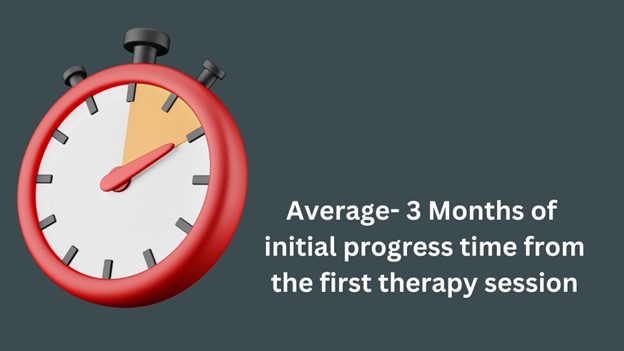
While existing therapies have less impact and progress, Neurotherapy is seen over 80% progressive in autistic children. The changes and progress may not be the same but within 3 months of average time span major changes are seen.


Impression:
Compared to existing therapies neurotherapy is over 60% more effective and result-oriented. Treating right from the pregnancy-related diagnosis and further birth-related complications.
Among 400 children, 50 patients have already stopped the therapy and undergone the training of neurotherapy; major progress has been seen and sustained.
A new branch of Neurotherapy has opened at Bhanimandal, looking at the growing trends of clients.