Neurotherapy is an ancient Vedic healing and rehabilitation practice based on ancient Vedic science and philosophy. Neurotherapy deals basically with nerves, muscles, joints, and lymphatic channels.
Neurotherapy is strongly based on the belief that the body is coordinated by three energy forces, Vata (Air portion), Pitta (Bile portion), and Kapha (Water portion). Structurally, Neurotherapy helps restore and balance the body’s energy forces and ensures the perfect physiological equilibrium forces to perform a comprehensive health status.
It’s amazing that Neurotherapy deals with every field of medical science and is considered the best avenue among all alternative medications available at the current time. Neurotherapy was invented thousands of years ago based on Nadi Vigyan, a science on the nerve system. Under many titles, neurotherapy has long been utilized as a rehabilitative procedure in Ayurvedic medicine. Ayurvedic Neurotherapy is sometimes referred to by its traditional names in the Indian subcontinent, such as “Ladara” in the north and “Kerali Massage” in the south.
The term “Neurotherapy (neuro = nadi, or nerves; therapy = application)” first appeared in print in the 1950s. The primary focus of Neurotherapy is on the organism’s integrity of the body’s mechanism as the most crucial element in maintaining health.
How does Neurotherapy work?
A comprehensive approach to healing, Neurotherapy combines biochemical, mechanical, psychological, and bio-force elements. It finds the disease’s underlying cause and provides integrated treatment for it. Diseases arise from an imbalance in the biochemical forces brought on by disorders of the body’s organs.
To restore the body’s harmony and balance, the therapist applies pressure or massage to the nerve channels, activating or deactivating the organ(s) and causing the blood and other bodily fluids as well as nerve currents to rise or fall.
What therapeutic method is applied?
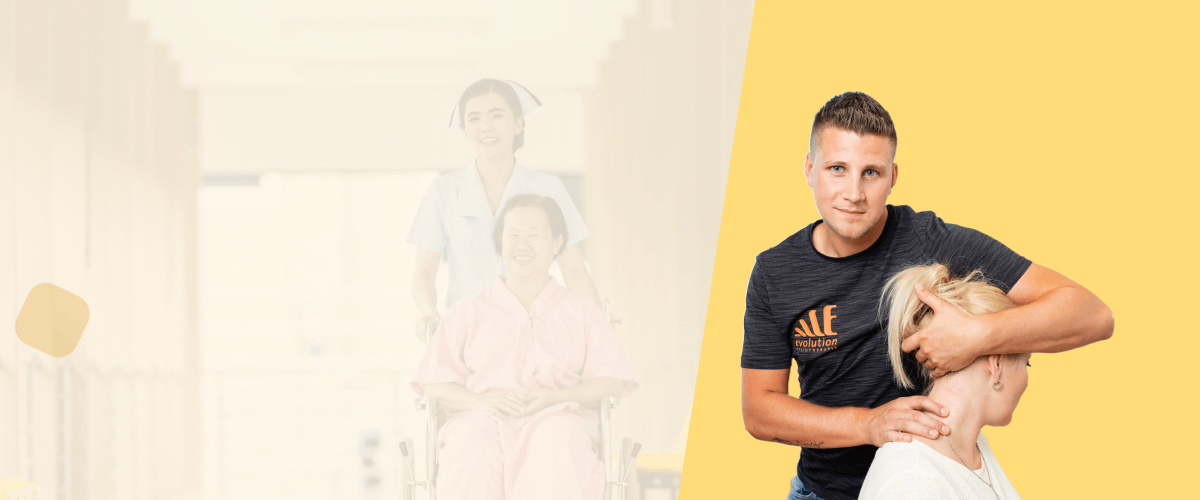
In contrast to most other forms of bodywork therapy, pressure, and massage are mostly applied with the feet and sometimes with the hands to various parts of the body. The patient is positioned with two chairs, one on each side. The therapist places pressure on the patient by carefully controlling both his or her weight and pressure while standing on the patient’s body.
Nonetheless, the patient’s age, sex, and tolerance level determine how much pressure is delivered to the connected nerve channels. The other method utilized in Neurotherapy is massage, which is administered similarly to applying pressure and causes the blood supply to the organs to influx, stretching the muscles, tissues, and nerves.
The result can instantly be felt, in most cases.
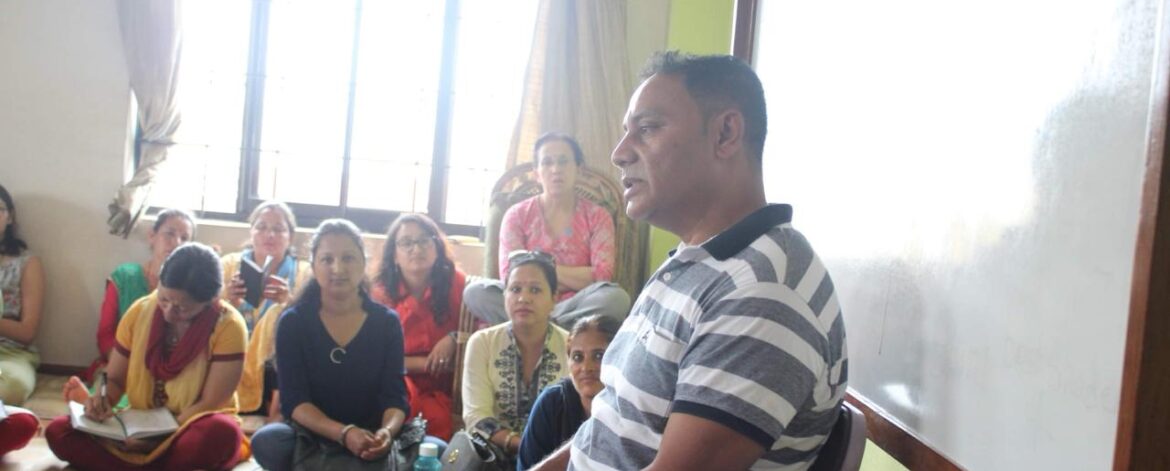
Chief therapist, Dhruba Majumdar